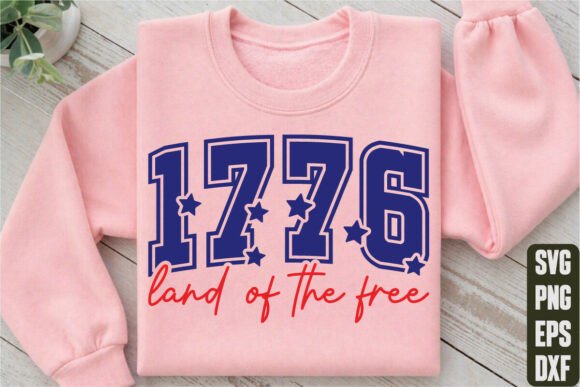
1776 Land of the Free: A Design Review for Real Embroidery Projects
As an embroidery designer who’s worked on countless client projects and personal products, I’ve learned that a digital file on a screen tells only half the story. The real test is how it performs when it’s stitched out, how it feels on fabric, and how it resonates with the person who receives the finished piece. When evaluating 1776 Land of the Free for practical use, my focus shifts from pixels to practicalities.
The Immediate Visual Personality
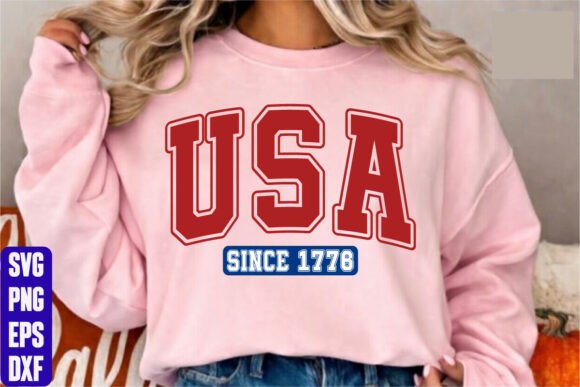
First impressions matter, especially for designs destined for handmade products and boutique merchandise. 1776 Land of the Free carries a classic, inspirational mood. The elegant quote and the prominent “1776” suggest heritage and pride, creating a visual personality that is celebratory and dignified. This isn’t a loud, graphic-heavy design; it’s more about statement and sentiment. The layout feels balanced, with the year acting as a strong central anchor. For embroidery, this means the design has clear focal points that will translate well into stitch areas, avoiding a cluttered or confusing final appearance on your apparel or gifts.
Where This Design Naturally Belongs
Given its theme and elegant presentation, 1776 Land of the Free feels destined for projects that carry a sense of occasion or personal pride. I immediately picture it on a custom embroidered tote bag for a history enthusiast, or beautifully stitched onto the back of a heavyweight sweatshirt for a cozy, statement piece. It would make a thoughtful, personalized gift—think a finely embroidered pillow cover for a veteran or a crisp apron for a patriotic holiday barbecue. For small business owners and Etsy sellers, this design could anchor a line of boutique merchandise around patriotic themes, heritage festivals, or educational gifts.
Consider a real-life scenario: a client requests a custom embroidered baby blanket as a gift for a family with a deep appreciation for history. 1776 Land of the Free, stitched perhaps in softer, complementary thread colors, could add a meaningful, heritage touch without being overly bold for nursery decor. The design’s elegance lifts it above simple graphics, adding perceived value and a handmade presentation that buyers trust.
Performance in Actual Embroidery Situations
Moving from concept to hoop, let’s think through real embroidery situations. On custom apparel like t-shirts or sweatshirts, the design’s clear typography and numerical element should stitch out with good clarity, provided the stitch density is appropriate for the fabric weight. For a tote bag or patch, using a sturdy stabilizer will help maintain the integrity of the satin stitches likely defining the letters and numbers. On caps or hats, the curved surface demands attention; the design’s layout appears relatively linear, so centering it carefully will be key to a professional look.
For commercial embroidery projects or craft fair products, 1776 Land of the Free offers a ready-made design asset that can be produced consistently. Its inspirational quote nature enhances buyer engagement on finished products, as it communicates a value beyond the fabric itself. When used for digital product previews or printable mockups, the design’s strong, clean elements should show up well, helping Etsy sellers and digital product sellers showcase their offerings effectively.
Where Caution and Preparation Are Needed
Every design has its considerations, and a practical review must highlight them. With any design featuring text and numbers, like this one, the small details in the lettering are paramount. Before running it on a final product, especially on textured fabrics like some sweatshirt materials or thin fabrics like certain tees, test it on scrap fabric first. This allows you to check the clarity of the smaller stitches, review thread color contrast against your background, and see if any areas become too dense.
Using this on very small hoop sizes might compress the elements too much, risking a loss of that elegant feel. Similarly, on dark fabric backgrounds, your thread color choices will need to be bold enough to maintain visual appeal and stitching clarity. For products that need frequent washing, such as kitchen towels or everyday apparel, ensure the stabilizer and stitch types used are durable enough to maintain the design’s integrity over time.
Practical Designer Notes Before You Stitch
My routine before committing any design to a client project or my own shop inventory involves a few key steps. For 1776 Land of the Free, I would strongly advise:
- Check the embroidery file’s compatibility with your machine and confirm the effective hoop size needed for the detail level.
- Inspect the design in black and white mockups to understand its form without color, and compare it on both light and dark fabric backgrounds digitally if possible.
- Plan your thread colors carefully. An “elegant inspirational quote” often benefits from classic, high-contrast, or metallic threads to elevate its look.
- Use proper stabilizer for your chosen fabric—this is non-negotiable for maintaining professional results.
- Crucially, confirm the licensing terms before selling finished items or using the design for commercial embroidery. The product category is T-Shirt Designs and Graphics, but the specific license for this file must be verified by you to ensure your use—for personal gifts or small shop products—is fully compliant.
The Impact on Your Finished Product and Business
Ultimately, the value of an embroidery design lies in what it brings to your finished product. 1776 Land of the Free, when stitched well, enhances product value through its thematic weight and clean presentation. It supports brand consistency for makers focusing on heritage, patriotism, or inspirational themes. Its giftability is high, making it a strong candidate for holiday embroidery, wedding gifts for patriotic couples, or personalized products for specific recipients.
For craft businesses and apparel decorators, using a design with this level of recognizable sentiment can deepen customer trust, as it shows an understanding of meaningful decoration beyond mere aesthetics. It feels professional and intentional. When a customer sees this design neatly embroidered on a cap, a tote, or a pillow, they see a handmade product with a story, which is exactly the engagement creative entrepreneurs and makers strive for.
In summary, 1776 Land of the Free is a design with a clear and useful personality for a range of embroidery projects. Its success will depend entirely on your embroidery preparation and your thoughtful pairing of it with the right fabric, product, and occasion. Approach it with the practical steps outlined, and it can become a reliable and valuable asset in your design library for both personal joy and commercial purpose.