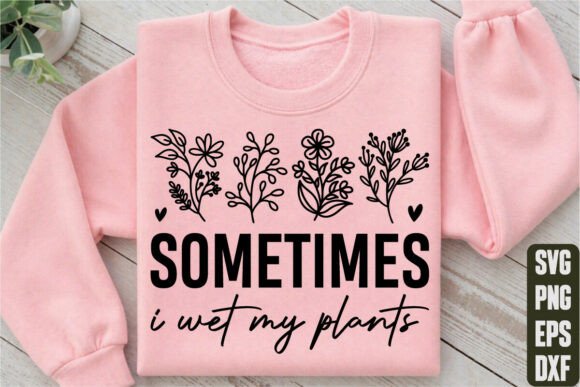
A Design Review of Sometimes I Wet My Plants
When an embroidery file lands in my library, the first thing I do is imagine it stitched out, not just as a graphic on a screen. Today, I’m looking at Sometimes I Wet My Plants, and I’m already picturing it on a soft, cotton tote bag destined for a plant-loving friend. As a designer who turns digital files into physical products, my review is rooted in that transition—from pixels to stitches.
The Witty Charm of a Gardener’s Confession
The immediate appeal here is the mood. It’s playful, slightly irreverent, and utterly relatable for anyone who has ever over-watered a succulent. This isn’t a stern inspirational quote; it’s a friendly wink. The layout suggests a casual, handwritten style, which translates beautifully to embroidery’s organic texture. The personality is lighthearted, making it perfect for a personalized gift or a small shop product aimed at gardeners, hobbyists, or those who appreciate a bit of humor in their decor.
For a real-life scenario, consider a custom embroidered tote bag for a boutique. This design wouldn’t just be a graphic; it would become a conversation starter. A customer browsing at a craft fair would see the stitched phrase and smile, connecting instantly with the handmade presentation. That’s the kind of engagement that turns a simple item into a cherished one.
Where This Design Thrives and Where It Needs Care
Let’s talk application. Sometimes I Wet My Plants naturally belongs on relaxed, everyday items. I’d confidently put it on a cozy sweatshirt, a classic t-shirt, or a kitchen apron for someone who loves both cooking and their herb garden. It would shine on a tea towel in a sunlit kitchen or as a small, sweet detail on a baby’s romper if the parents are avid gardeners. For craft business items, think about pillow covers for nursery decor or a simple patch sewn onto a denim jacket.
However, its success depends on thoughtful execution. The likely cursive or script-style lettering means you must be cautious with small hoop sizes. Stitching this on a cap’s curved surface or a detailed corner of a blanket could compromise clarity if the letters are too tiny. Stitch density in any decorative accents needs to be balanced; a overly dense fill stitch on thin fabric like a classic t-shirt might cause puckering. Always, always test on a scrap of your intended fabric first.
Dark fabric backgrounds demand extra attention. You need strong thread color contrast to maintain the design’s wit and visibility. For products needing frequent washing, like apparel or kitchen towels, ensure you’re using a proper stabilizer and robust thread so the humor lasts through many cycles.
Visual Impact and Professional Value
When stitched well, this design elevates a product’s value. On a handmade product, it adds a layer of unique personality that mass-produced items lack. For an Etsy seller, it supports brand consistency if your shop leans towards playful, lifestyle-focused goods. The giftability is high—it’s specific enough to feel thoughtful, yet universal enough to delight many. In commercial embroidery for a small business, say a local plant shop’s merchandise, it builds recognition and a friendly brand voice.
Professionally, clear stitching here directly affects customer trust. A crisp, well-executed satin stitch or clean running stitch on the lettering signals quality. In your digital product previews and printable mockups, showing this design on a realistic fabric background (like a textured sweatshirt or a smooth tote) will significantly boost buyer engagement compared to a flat graphic alone.
Practical Notes from the Hoop
Before you commit this to a final project, here are my grounded notes. First, run a test stitch. This isn’t just about checking the machine embroidery file; it’s about seeing how the shapes interact with your fabric’s texture. Does the scale feel right on the item you have in mind?
Second, inspect the small details in your test. Are there any overly intricate corners that might bunch? Third, compare it in both light and dark fabric mockups—even simple black and white digital renders can help you visualize contrast. Remember, the perfect use suggested for t-shirt scraps implies it works on apparel, but always verify the hoop size and stabilizer requirements for your specific garment.
Finally, a crucial step for any creative entrepreneur: confirm the licensing. Can you use this embroidery design for personal projects, commercial projects, or both? This is essential before selling finished items or incorporating it into your craft business offerings. The product category mentions T-Shirt Designs and Graphics, which points towards apparel and digital use, but always read the specific terms provided with the file.
In essence, Sometimes I Wet My Plants is a design with character. Its value isn’t just in the download; it’s in the thoughtful application—choosing the right project, preparing the fabric properly, and stitching it with care to let its friendly, witty charm fully bloom on your finished product.